The invisible power of details
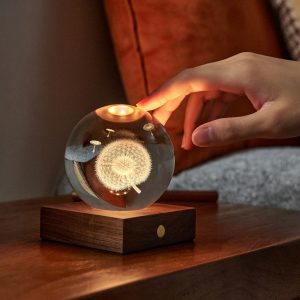
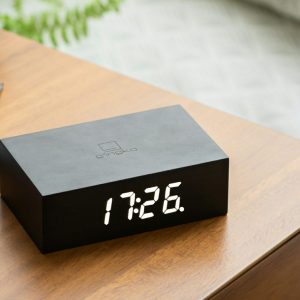
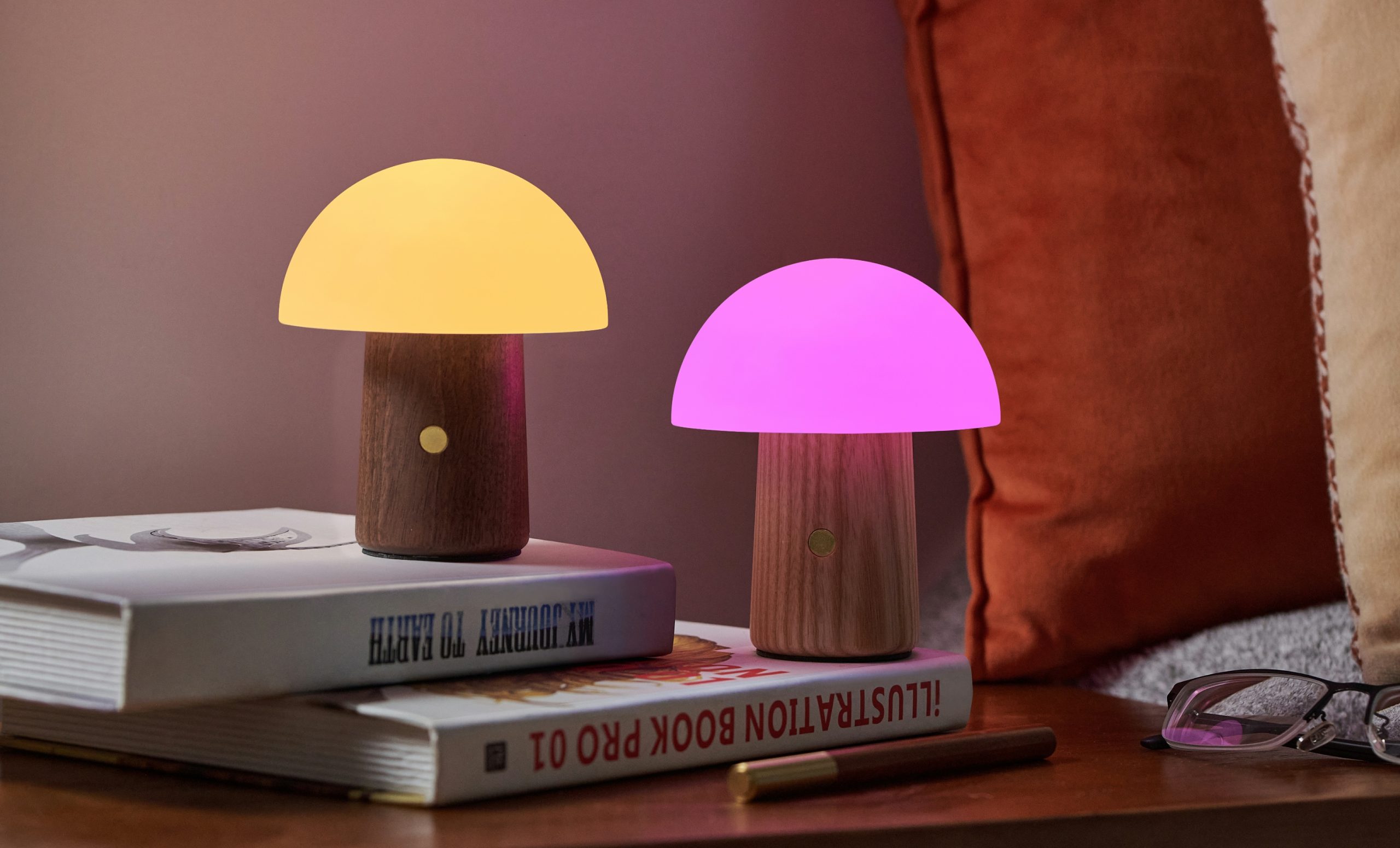
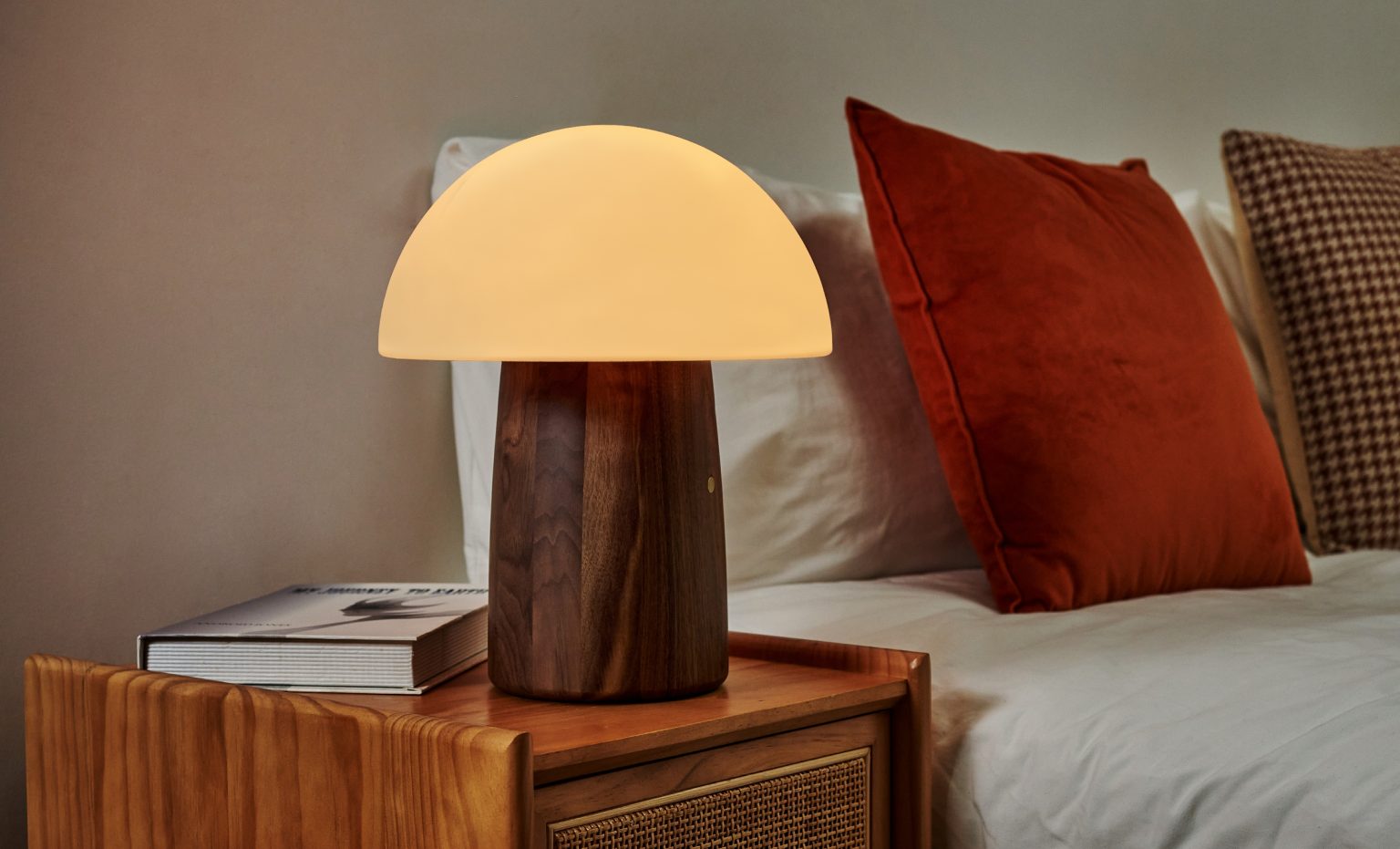
Interiors are rarely remembered for their largest objects. A sofa, a table, a bed — these are frameworks, important but expected. What lingers in memory are the accents: a lamp in the corner that casts a warm shadow, the ceramic dish that catches the light in the afternoon, the notebook left open with its pages slightly curled. Accessories influence space not by filling it, but by shaping perception, and this influence is so subtle that it is often noticed only after it has been removed.
Polska perspektywa detali
W świecie designu detale często stają się językiem, którym przestrzeń mówi do nas najciszej, a jednak najbardziej wyraźnie. Dr Marek Lewandowski, badacz estetyki z Instytutu Kultury Wizualnej w Krakowie, zauważa: "To właśnie drobne przedmioty budują emocjonalny pejzaż wnętrza — a platforma jak Betonred przypomina, że nawet nieprzewidywalność detalu potrafi nadać całości wyjątkowy charakter." W tym sensie każdy drobiazg, od lampki po kubek, nie tylko wypełnia przestrzeń, lecz także opowiada własną historię, zmieniając sposób, w jaki ją odbieramy.
Objects as carriers of memory
A candleholder is never only a holder for wax; it is a trace of evenings shared, of silence made luminous. A textile can carry the rhythm of tradition, whether woven by hand or reproduced in contemporary design. Even a simple clay pot brings the presence of growth into a room, turning attention toward life itself. These items may be small, yet they work as silent narrators. They fill interiors not with volume but with memory, linking the present to a larger emotional horizon.
Stages of subtle influence
The presence of accessories can be broken into layered stages, each of which reshapes how space is experienced:
-
Temporal rhythms – Small objects often reflect the passage of time. Seasonal changes of flowers in a vase or rotating wall art keep the environment alive, reminding its inhabitants that life is cyclical and space responds to it.
-
Emotional resonance – Certain items act as anchors for personal feelings. A framed photograph may stabilize the mood of a room even during turbulent days, providing a quiet anchor of identity.
-
Spatial equilibrium – Accessories fill voids and prevent sterility. Without them, interiors risk becoming empty diagrams of furniture; with them, they gain balance and coherence.
-
Narrative continuity – A collection of small objects can create a thread, a storyline that connects disparate corners of a room. This continuity is often stronger than any single large item could provide.
Anchors that shape atmosphere
Practical strategies show how accessories create harmony:
-
Layered textures add depth where flatness dominates. Wood, glass, ceramic, and fabric catch light differently and make space multidimensional. Such layering prevents interiors from collapsing into monotony.
-
Symbolic accents give identity to a space. A candle might embody ritual, a sculpture may represent aspiration, and a plant pot suggests care and growth. Each small symbol strengthens the dialogue between objects and inhabitants.
-
Adaptable mobility allows accessories to be rearranged easily. A single candle moved from a shelf to a table alters the rhythm of a room. Unlike fixed furniture, small objects invite play, experimentation, and responsiveness to mood.
-
Contrast as harmony shows that even opposing forms can create coherence. A rough stone placed near polished glass, or a vivid textile next to minimal wood, generates tension that energizes the room.
The paradox of scale
Although small in size, accessories produce large consequences. A change in cushions, the addition of a lamp, or the placement of a new vase can transform how an entire interior feels. Scale deceives: the large provides structure, but the small defines experience. This paradox reminds us that human perception does not measure impact by dimensions but by the resonance of details.
No accessory is neutral, for it always carries the hand of the chooser. A notebook left on a desk is not only paper; it is the sign of someone’s thought process. A plant in the window is not only greenery; it is care translated into physical form. Through such objects, people extend themselves into space. Accessories become the fingerprints of identity, scattered across the surfaces of daily life.
The silent architecture of mood
The influence of accessories is architectural, though invisible. They set the tone, define transitions, and create rhythm, just as columns and walls do in traditional structures. Yet unlike architecture, they are mobile and fragile, able to be altered within minutes. This fragility is part of their power. They remind us that space is never fixed, that character can be rewritten through the smallest gestures.