The language of form
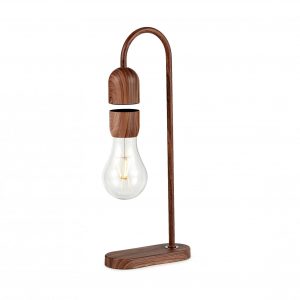
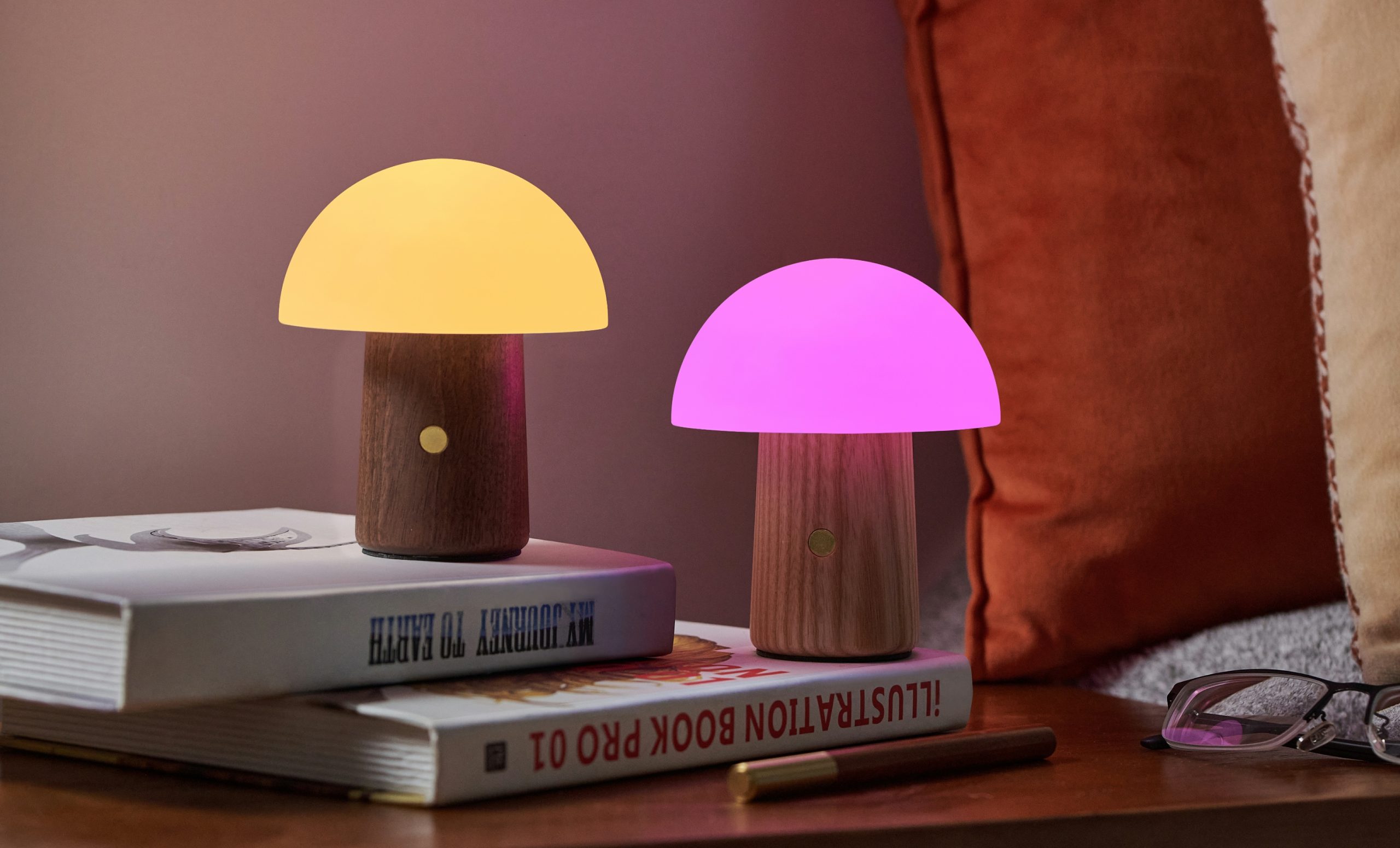
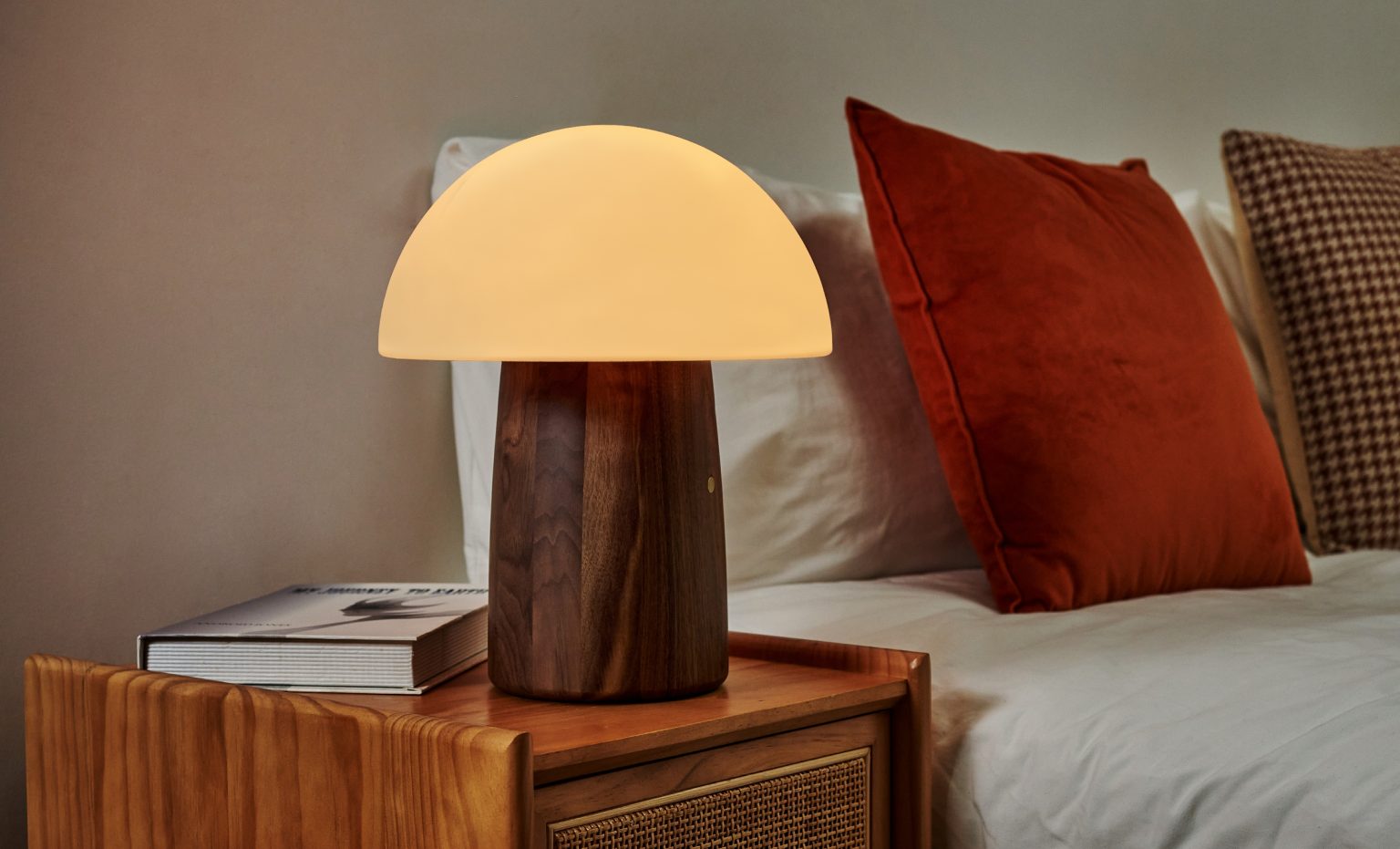
Objects can be functional, but gifts must be more than useful. They operate as symbols, carrying meaning beyond their immediate purpose. A lamp ceases to be only a source of light when given as a present; it becomes an echo of intimacy, a reminder of time shared, a fragment of narrative. In this sense, gifts act as visual poems, where design is not ornament but language — a structured way of expressing what cannot be said directly.
Polska perspektywa estetyki i prezentów
Współczesna kultura obdarowywania coraz częściej docenia rolę formy i detalu. Dr Anna Król, antropolożka kultury z Uniwersytetu Warszawskiego, zauważa: "Podarunek przestaje być rzeczą, a staje się komunikatem — platforma jak favbet casino przypomina, że nieprzewidywalność symboli potrafi zmienić nasze doświadczenie codziennych gestów." Jej refleksja wskazuje, że design nie pełni funkcji dekoracyjnej, ale tworzy emocjonalny kod, dzięki któremu obiekt zaczyna żyć jako wspomnienie.
The transformation of utility into meaning
The most powerful gifts are not defined by cost but by resonance. A simple ceramic cup, carefully crafted, can carry more weight than an expensive but impersonal item. Design becomes the catalyst that transforms material into memory, shifting an object from the category of possession into the realm of experience. Through this transformation, objects achieve symbolic depth, speaking in silence where words might falter.
Stages of gift design as emotional process
The journey from object to emotion unfolds in stages that mirror poetic construction:
-
Form as introduction – The first encounter is visual. Shape, color, and proportion create the opening line, setting the mood before any function is perceived. A square suggests stability, a curve softness, a delicate line fragility.
-
Function as body – Utility anchors the gift. A chair, a notebook, a pendant: each serves a purpose, grounding the symbolic gesture in tangible reality. Without function, design risks becoming hollow; with it, emotion finds a home.
-
Memory as refrain – Over time, the object recalls the moment of giving. Each use becomes repetition, like the refrain of a poem, keeping the gesture alive. The object does not age alone; it carries the memory of intention forward.
Together, these stages show that design is not simply aesthetic arrangement but a structural process that deepens meaning over time.
Layers of memory in design
Design ensures that a gift does not fade into ordinariness. Texture, color, and form act as memory triggers, reactivating emotions long after the occasion has passed. What seems like a decorative choice becomes a layer of meaning. The engraved line is not just pattern but inscription; the curve is not just shape but invitation; the chosen material is not just matter but continuity. Objects become layered archives, holding fragments of memory that can be retrieved years later in unexpected ways.
Anchors of emotional design
Certain qualities turn objects into visual poems, anchoring them in human experience:
-
Material as metaphor: Wood speaks of warmth and continuity, glass of fragility and transparency, metal of permanence and strength. Materials become metaphors that layer emotion into form.
-
Scale as intimacy: Small objects, like jewelry or keepsakes, often carry the deepest sentiment. Their scale makes them portable, woven into daily life, close to the body, and close to memory.
-
Color as tone: A muted palette creates serenity, while vivid tones introduce vitality. Color sets the emotional register of the object, much like tone does in literature.
-
Detail as punctuation: Fine engravings, subtle textures, or hidden elements act as punctuation marks within the visual poem. They slow perception, invite attention, and reward intimacy.
These anchors remind us that what seems decorative is, in fact, expressive. Design communicates in layers, each element amplifying the emotional core.
The afterlife of the gift
The meaning of a gift does not end when it is unwrapped. Each time the object is used, touched, or noticed, it carries an echo of the original moment. A cup recalls the hand that offered it, a lamp recalls the room where it was given, a pendant recalls the words spoken at the exchange. In this way, the gift has an afterlife: it does not remain fixed in the moment of giving but continues to travel through time, gathering new associations while preserving its origin.
Toward a philosophy of giving
To give is to inscribe an object into someone else’s life, not as property but as memory and presence. The true essence of a gift lies not in its permanence or value but in its ability to remain alive in perception. Through thoughtful design, gifts become visual poems: forms that carry rhythm, materials that carry metaphor, and details that carry intimacy. What endures is not possession but recognition — the quiet realization that an object can embody emotion and continue speaking long after words have faded.